
Tag: Nokia Wing
Nokia Wing vs. POCO X7 Pro: 16GB RAM, 64MP Cameras!

Catch the new battle between the Nokia Wing vs. POCO X7 Pro with 16GB RAM and 64MP cameras! Find out the final winner now!

Nokia Wing vs. POCO X7 Pro specs
Nokia Wing is about to debut with fantastic features and performances. Besides, the POCO X7 Pro has a long battery life and powerful hardware. Regarding the display, Nokia Wing specs offer a 6.65-inch OLED with a 6.7-inch Super AMOLED with 4K resolution. Besides, this device sports a 21:9 aspect ratio and Corning Gorilla Glass Victus protection. Meanwhile, the POCO X7 Pro specs feature a 6.67-inch OLED with a 1220 x 2712 pixels resolution.
So, with the higher screen size, the Nokia team comes first in this round. As for the operating system, two beasts run on the Android 13 version. Let’s talk about the hardware! The Nokia device uses the Qualcomm Snapdragon 8 Gen 1 chipset. Moreover, the Xiaomi device drives the MediaTek Dimensity 8300 Ultra chipset. As for the memory department, the Nokia smartphone comes in 8GB/ 12GB/ 16GB/ 18GB of RAM and 128GB/ 256GB/ 512GB of internal storage (expandable to 512GB).

In contrast, the Xiaomi device offers 256GB/ 8GB RAM, 256GB/ 12GB RAM, and 512GB/ 12GB RAM (no card slot). Thus, one point goes to the Nokia team in this round. Regarding the optics system, the Nokia Wing cameras comprise a 108MP primary lens + a 50MP ultra-wide sensor + a 48MP depth sensor on the back. A 64MP lens is also at the front for capturing selfies. Furthermore, the POCO X7 Pro cameras flaunt triple 64MP + 8MP + 2MP lenses on the rear. This device has a single 16MP selfie shooter. So, the Nokia flagship scores one point with higher camera resolutions. Regarding capacity, the Nokia phone houses an 8000mAh battery cell, while the opponent bears a smaller 5500mAh juice box.
Nokia Wing vs. POCO X7 Pro release date and price
The Nokia Wing release date should fall in the upcoming months, while the POCO X7 Pro release date may take place soon. Concerning the cost, the Nokia Wing price dropped to $410 ~ Rs. 31,864. Also, the POCO X7 Pro price starts from $414 ~ Rs. 33,999. If you are interested in this fight, please comment in your mind!
Nokia Wing vs. Vivo X Fold3 Pro: 200MP Cameras, 8500mAh Battery!

Let’s dive into the battle between the Nokia Wing vs. Vivo X Fold3 Pro, where a 200MP camera meets a massive 8500mAh battery. Who will take the crown?

Nokia Wing vs. Vivo X Fold3 Pro specs
The Nokia Wing comes out with a great camera system. Besides, the Vivo X Fold3 Pro debuts with massive storage. In detail, the Nokia smartphone boots 128GB/ 8GB RAM, 256GB/ 12GB RAM, and 512GB/ 12GB RAM. It has a MicroSD card that may be used to extend the capacity up to 1TB. Conversely, the Vivo handset arrives with 16GB RAM and 512GB/ 1TB of internal storage (no card slot). So, thanks to a larger RAM, the Vivo flagship wins the first round.
Regarding the display, Nokia Wing specs offer a 6.7-inch Super AMOLED with a 1920 x 3240 pixels resolution. Meanwhile, the Vivo X Fold3 Pro specs bring an 8.03-inch Foldable LTPO AMOLED with a 2200 x 2480 pixels resolution. Besides, its cover display flaunts a 6.53-inch AMOLED with 1172 x 2748 pixels. So, with the higher resolution, the Vivo phone gets one more point in the second round. Under the hood, the Nokia device drives the Qualcomm Snapdragon 8+ Gen 1 SoC.

Moreover, the Vivo device gets power from the Qualcomm Snapdragon 8 Gen 3 chipset. Let’s move on to the optics department! The Nokia handset carries a 50MP lens for capturing selfies and making video calls. Around the back, the Nokia Wing cameras flaunt a quad 200MP primary lens + 32MP ultrawide sensor + 2MP macro sensor + TOF depth sensor on its back. In contrast, the Vivo X Fold3 Pro cameras offer a triple 50MP primary lens + 64MP periscope telephoto + 50MP ultrawide sensor on the rear. There is a 32MP front lens and a 32MP cover camera on the front. Furthermore, the Nokia device houses an 8500mAh battery that supports 25W fast charging, while its rival figure is the smaller 5700mAh energy cell. Lastly, we can see that the Vivo handset takes the prize in this race with an excellent appearance.
Nokia Wing vs. Vivo X Fold3 Pro release date and price
The Nokia Wing release date should fall in the second quarter of 2024. Meanwhile, the Vivo X Fold3 Pro might happen soon. Concerning the cost, the Nokia Wing price should begin at $210 ~ Rs. 22,511. The Vivo X Fold3 Pro price fell around $1,384 ~ Rs. 115,323. Which one do you prefer of the two smartphones? Please drop us a comment to express your thoughts!
Nokia Wing vs. Sony Xperia Vitech: 7900mAh Battery, 12GB RAM!

Welcome to the heated fight between two beasts Nokia Wing vs. Sony Xperia Vitech, with a 7900mAh battery and 12GB RAM. Scroll down to meet the final winner!

Nokia Wing vs. Sony Xperia Vitech specs
In detail, Nokia Wing comes with fantastic camera technology and impressive specs. Besides, Sony Xperia Vitech debuts with a unique design, great battery, and storage. Take a look at the display! Nokia Wing specs flaunt a 6.7-inch Super AMOLED with 4K resolution. Furthermore, Sony Xperia Vitech specs offer a 6.8-inch IPS LCD with Full HD+ resolution.
The Nokia phone came first in this round with a higher resolution display. Imaging-wise, the Nokia Wing camera includes triple 64MP + 16MP + 8MP sensors on the back. At the same time, this phone comes with a 32MP selfie lens on the front-facing. As for the platform! Nokia comes with a Qualcomm Snapdragon 888 chipset, while the Sony monster ships with the Qualcomm Snapdragon 888 5G SoC.

Otherwise, the Sony Xperia Vitech camera features a triple 108MP + 20MP + 12MP (TOF 3D) rear lens with a single 20MP selfie shooter. In this round, the Sony team gets themself one point for better camera technology. How about the storage department? The Nokia device boots 10GB/ 12GB of RAM. Besides, this device has two ROM versions: 256GB/ 512GB (Expandable up to 512GB). In contrast, the Sony beast boasts 8GB/ 12GB RAM and 128GB/ 256GB ROM (Expandable to 512GB via a microSD card). Battery-wise, the Nokia machine houses a 7800mAh juice box, while the other figure is a slightly bigger 7900mAh energy cell. Hence, the Sony beast scores one more point in the last round with larger RAM and battery capacity. On the other hand, the Nokia device runs the Android 12 version. Also, the Sony monster works on Android 12 as the operating system.
Nokia Wing vs. Sony Xperia Vitech release date and price
The Nokia Wing release date can fall in the final quarter of this year. In contrast, the Sony Xperia Vitech release date is expected to be by the end of this year. About the cost, the Nokia Wing price starts from $450 ~ Rs. 33,768. Conversely, the Sony Xperia Vitech price is around $470 ~ Rs. 34,855. Which one do you prefer? Please leave us your opinions in the section below!
Nokia Wing vs Huawei Y9a: 5600mAh battery, Quad 64MP cameras!

The battle between two beasts Nokia Wing vs Huawei Y9a is taking place on our website today. One of them features an amazing 5600mAh battery, quad 64MP cameras. Find the winner now!

Nokia Wing vs Huawei Y9a specs
Nokia Wing comes with amazing battery capacity and impressive specs. Besides, Huawei Y9a debuts a fantastic camera system and attractive color options. Talking about the photography system, the Nokia Wing camera comprises dual 48MP rear lenses and an 8MP wide-angle selfie shooter. On the contrary, the Huawei Y9a camera packs a quad 64MP + 8MP + 2MP + 2MP cameras on the back. At the front, this device carries a Motorized pop-up 16 MP sensor for selfies.
Therefore, with the higher camera lens and resolution, the Huawei phone scores the first goal. For the memory system, the Nokia machine sports variable options between 8GB/10GB RAM and 128GB/256GB/512GB ROM (no card slot). Moreover, the Huawei device comes with two storage versions of 128GB/ 6GB RAM, 128GB/ 8GB RAM (up to 256GB). Thanks to a larger memory, the Nokia wins again. On the other side, the Nokia handset catches power from the Qualcomm Snapdragon 855 SoC.

Meanwhile, the Huawei flagship works on Mediatek Helio G80 chipset under the hood. So, the Nokia device wins this round with more robust hardware. Furthermore, both handsets boot on Android 10 as the operating system in which the Huawei smartphone doesn’t have Google Play Services support. Speaking of the display, the Nokia Wing specs flaunt a 7-inch AMOLED with a 4K resolution. Whereas, the Huawei Y9a specs offer a 6.63 IPS LCD with a resolution of 1080 x 2400 pixels. Hence, the Nokia phone defeats the Huawei device. Regarding the battery, the Nokia beast rocks a 5600mAh energy box while the other figure is smaller 4300mAh. And Nokia triumphs in the last round. Lastly, the Nokia monster is a victory in this match.
Nokia Wing vs Huawei Y9a release date and price
Nokia Wing release date should fell in the last quarter of this year. Plus, Huawei Y9a is now available for purchase. Concerning the cost, the Nokia Wing price begins at least $988 ~ Rs. 67,801. Also, the Huawei Y9a price starts around $237 ~ Rs. 17, 445. Would you like to own one of the two handsets above? Leave your opinions in the comment section!
Nokia Wing vs Realme X50 5G: 10GB RAM, 48MP cameras!

Now, let’s kickstart the battle between Nokia Wing vs Realme X50 5G with 10GB RAM, 48MP cameras. Find out the winner below!
Nokia Wing vs Realme X50 5G specs
In detail, the Nokia Wing is a beautiful smartphone that arrives with impressive specs. Meanwhile, Realme X50 5G has hit the market this month. First of all, for the display, Nokia Wing specs flaunt a 7-inch AMOLED with a 4K resolution. Whereas, Realme X50 5G specs feature 6.6 inches IPS LCD with a resolution of 1080 x 2400 pixels. So, with the higher screen size, the Nokia phone wins this round.
For the processor, the Nokia handset takes power from the Qualcomm Snapdragon 855 chipset. Besides, Realme flagship takes power from the Qualcomm Snapdragon 765G chipset. Moreover, the two devices work on Android 10 as the operating system. In terms of the memory department, the Nokia monster boasts variable options between 8GB/10GB RAM and 128GB/256GB/512GB ROM (no card slot).

Moreover, the Realme handset sports 6GB/ 8GB/ 12GB of RAM and 128GB/ 256GB ROM (no card slot). As a result, each team gets one point in the second round. How about the optics system? The Nokia Wing camera includes dual 48MP rear sensors and an 8MP wide-angle selfie snapper. On the contrary, the Realme X50 5G camera rocks a quad 48MP + 8MP + 2MP + 2MP cameras on the back. At the front, this smartphone has a 16MP + 8MP shooter for selfies. About the battery, the Nokia device houses a 5600mAh juice box while the Realme handset bears a bigger 4200mAh. It is a tight match!
Nokia Wing vs Realme X50 5G release date and price
About the Nokia Wing release date, this smartphone is going to hit the market in the last quarter of this year. Meanwhile, Realme X50 5G is now available for purchase. Regarding the cost, the Nokia Wing price can start at least $988 ~ Rs. 67,801. Plus, the Realme X50 5G price begins at $233 ~ Rs. 17,532. Which one do you like? Let’s share your thoughts in the comment section!
Nokia Wing vs Asus ROG Phone 3: 16GB RAM, 5800mAh battery!

Now, let’s kickstart the battle between Nokia Wing vs Asus ROG Phone 3 with 16GB RAM, 5800mAh battery. Find out the winner below!
Nokia Wing vs Asus ROG Phone 3 specs
In detail, the Nokia Wing is a beautiful smartphone that arrives with impressive specs. Meanwhile, Asus ROG Phone 3 is the latest gaming phone product of this brand. First of all, for the display, Nokia Wing specs flaunt a 7-inch AMOLED with a 4K resolution. Whereas, the 6.59-inch screen of the Asus ROG Phone 3 is an AMOLED unit with Full HD+ 1080 x 2340 pixels resolution. So, with the higher screen size, the Nokia phone wins this round.
For the processor, the Nokia handset takes power from the Qualcomm Snapdragon 855 chipset. Besides, the Asus flagship gets power from the Qualcomm Snapdragon 865 chipset. Moreover, the two devices work on Android 10 as the operating system. In terms of the memory department, the Nokia monster boasts variable options between 8GB/10GB RAM and 128GB/256GB/512GB ROM (no card slot).
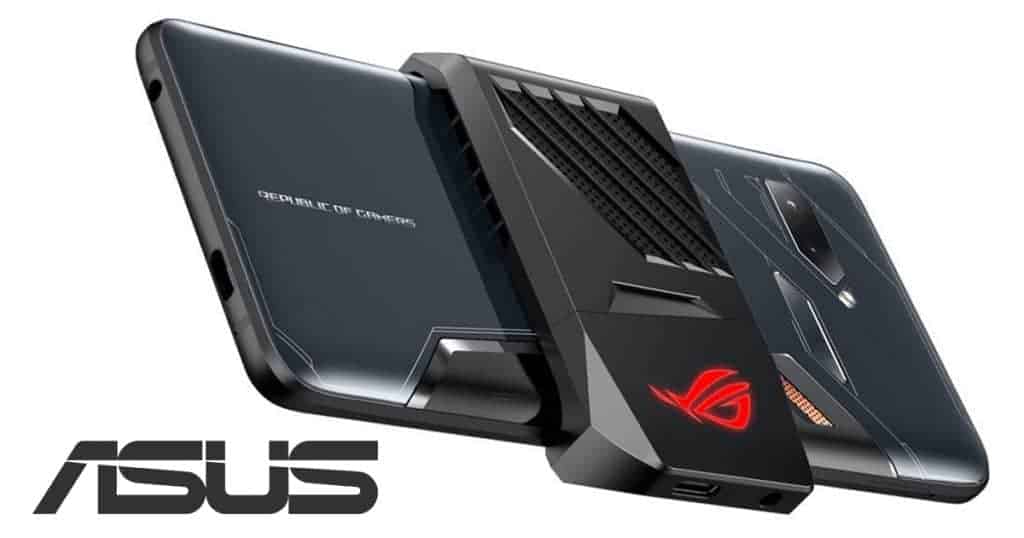
Moreover, the Asus device arrives in three storage options 256GB/ 12GB RAM, 512GB/ 16GB RAM, 1TB/ 16GB RAM. As a result, the Asus smartphone triumphs in the second round with more extensive hardware. How about the optics system? The Nokia Wing camera includes dual 48MP rear sensors and an 8MP wide-angle selfie snapper. On the contrary, Asus ROG Phone 3 camera offers 64MP primary lenses and two cameras supporting 4K video recording at the rear. Plus, it also has a 13MP front-facing lens. About the battery, the Nokia device houses a 5600mAh juice box while the Asus handset bears a bigger 5800mAh. In conclusion, it looks like the Asus phone takes advantage of a stunning camera department, powerful platform system, and great display.
Nokia Wing vs Asus ROG Phone 3 release date and price
About the Nokia Wing release date, this smartphone is going to hit the market in the last quarter of this year. Meanwhile, the Asus ROG Phone 3 release date falls in July. Regarding the cost, the Nokia Wing price can start at least $988 ~ Rs. 67, 801. Plus, the Asus ROG Phone 3 price starts around Rs. 72, 990 ~ $958. Which one do you like? Let’s share your thoughts in the comment section!
Nokia Wing vs Samsung Galaxy Z Flip: 10GB RAM, 5600mAh battery!

Now, let’s kick start the battle between Nokia Wing vs Samsung Galaxy Z Flip, which features 10GB RAM and a 5600mAh battery! Find out the winner below!
Nokia Wing vs. Samsung Galaxy Z Flip specs
In details, Nokia Wing is a beautiful smartphone that arrives with impressive specs. Meanwhile, Samsung Galaxy Z Flip impresses the mobile user with its clamshell design and hardware. First of all, for the display, Nokia Wing specs flaunt a 7-inch AMOLED with a 4K resolution. Whereas, Samsung Galaxy Z Flip specs sport a 6.7-inch Foldable Dynamic AMOLED (1080 x 2636 pixels) while the cover display is a 1.1″, Super AMOLED (112 x 300 pixels). So, with the higher screen size, the Nokia phone wins this round.
For the processor, the Nokia handset takes power from the Qualcomm Snapdragon 855 chipset. Besides, the Samsung flagship uses the Qualcomm Snapdragon 865. Moreover, the two devices work on Android 10 as the operating system. In terms of the memory department, the Nokia monster boasts variable options between 8GB/10GB RAM and 128GB/256GB/512GB ROM (no card slot). Moreover, the Samsung machine offers an 8GB of RAM and 256GB of internal storage. As a result, the Nokia smartphone triumphs in the second round with more extensive hardware.

How about the optics system? The Nokia Wing camera includes dual 48MP rear sensors and an 8MP wide-angle selfie snapper. On the contrary, Samsung Galaxy Z Flip camera rocks a dual 12MP + 12MP rear lenses while the front lens is a single 10MP shooter. About the battery, the Nokia device houses a 5600mAh juice box while the Samsung handset bears a smaller 3300mAh. In conclusion, it looks like the Nokia phone takes advantage of a stunning camera department, powerful platform system, and great display.
Nokia Wing vs. Samsung Galaxy Z Flip release date and price
About the Nokia Wing release date, this smartphone is going to hit the market in the last quarter of this year. Meanwhile, Samsung Galaxy Z Flip launched on February 14. Regarding the cost, the Nokia Wing price can start at least $988 ~ Rs. 67, 801. Plus, the Samsung Galaxy Z Flip price falls around $1, 160 ~ Rs. 115, 999. Which one do you like? Let’s share your thoughts in the comment section!