
Author: Chris
Nokia Vitech vs. OPPO K13 Turbo Specs: 16GB RAM, 200MP Cameras!

Get ready for a close showdown between Nokia Vitech vs. OPPO K13 Turbo, both featuring efficient processors and vibrant displays. Let’s compare them now!
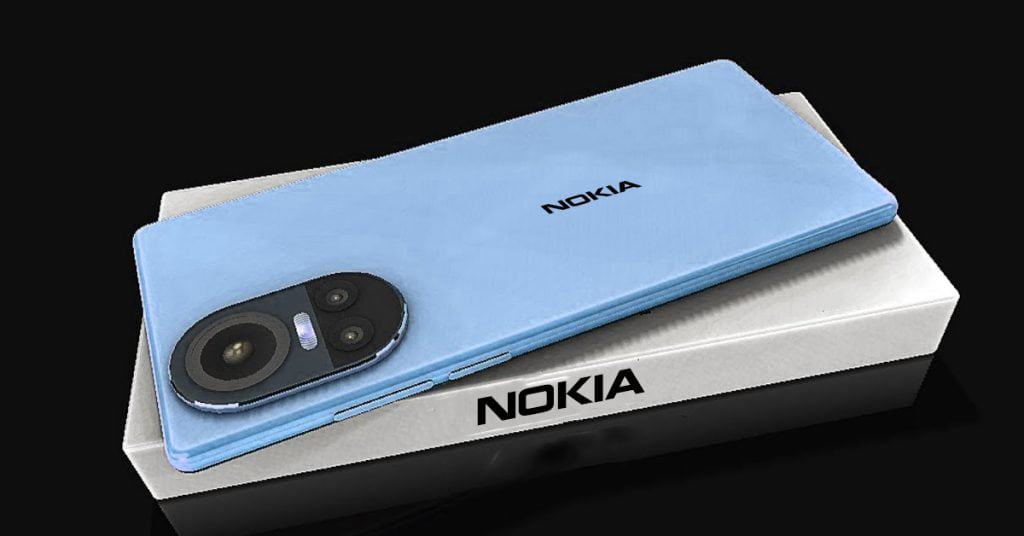
Nokia Vitech vs. OPPO K13 Turbo specs
The Nokia Vitech specs coming with the screen features include a 7.1-inch Super AMOLED. It has 4K resolution. A 120Hz refresh rate enhances visuals. Corning Gorilla Glass 7 protects its screen. Meanwhile, the OPPO K13 Turbo specs coming with the screen features show a 6.8-inch OLED flat display. It offers 1.5K (2800 x 1280 pixels) resolution. It also provides a 144Hz refresh rate. Nokia Vitech wins for its higher resolution. However, OPPO K13 Turbo offers a faster refresh rate.
Under the hood, a Snapdragon 8 Gen 4 chipset powers Nokia Vitech. This ensures powerful performance. The OPPO K13 Turbo takes power from the MediaTek Dimensity 8450 chipset. It delivers strong performance. Nokia Vitech gains an advantage with its newer processor. Both devices run on Android 15. The Nokia Vitech offers 12GB/16GB RAM. It includes 256GB/512GB/1TB internal storage. This storage is expandable up to 1TB.
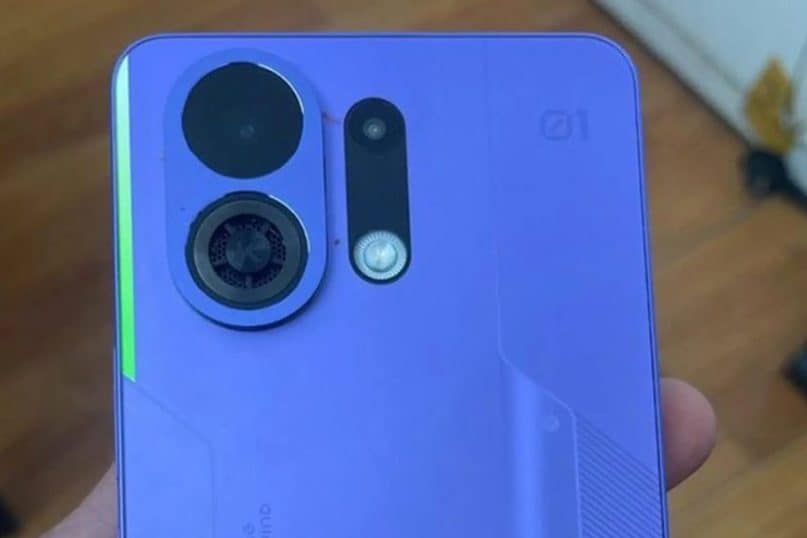
In contrast, the OPPO K13 Turbo provides 12GB/16GB RAM. It comes with 256GB/512GB internal storage. This phone does not have a card slot. Nokia Vitech wins with more RAM and expandable storage. Let’s move on to imaging. The Nokia Vitech cameras include a 200MP primary lens. It features a 64MP ultrawide lens. A 16MP telephoto and 8MP depth sensor are also present. For selfies, it has a 48MP front camera. On the other hand, the OPPO K13 Turbo cameras feature a dual 50MP main sensor. It adds a 2MP secondary lens. It also comes with a 16MP front shooter. The Nokia Vitech offers higher resolution cameras overall. Battery life is essential for all-day use. The Nokia Vitech packs a 8200mAh battery. It supports 120W fast charging. Meanwhile, the OPPO K13 Turbo has a 7000mAh battery. It supports 80W fast charging. The Nokia Vitech wins the battery capacity battle.
Nokia Vitech vs. OPPO K13 Turbo release date and price
The Nokia Vitech release date is expected in late 2025. The OPPO K13 Turbo release date is July 21, 2025. The Nokia Vitech price begins at $550 ~ Rs. 45,917. On the other hand, the OPPO K13 Turbo price starts at $400 ~ Rs. 33,400.
HONOR GT Pro vs. Tecno SPARK Slim: 12GB RAM, 50MP Cameras!

Get ready for the battle between the HONOR GT Pro and TECNO SPARK Slim, featuring 12GB RAM, and 50MP Cameras! Scroll down to find the ultimate winner today!

HONOR GT Pro vs. TECNO SPARK Slim specs
HONOR GT Pro stands out with premium performance and design, while the TECNO SPARK Slim impresses with its ultra-thin profile and display. In detail, the HONOR flagship offers up to 12GB/16GB RAM and 256GB/512GB/1TB of internal storage, with no expandable storage option. Meanwhile, the TECNO device arrives with 128GB/8GB RAM and 256GB/12GB RAM variants, also lacking a microSD slot.
Regarding the display, the HONOR GT Pro features a 6.78-inch AMOLED panel with a 1.5K resolution and a 144Hz refresh rate, delivering an ultra-smooth experience. On the other hand, the TECNO SPARK Slim sports a 6.78-inch 3D curved AMOLED screen with a 1224p resolution and a 144Hz refresh rate, offering immersive visuals.

With similar display sizes and refresh rates, both phones provide excellent screen quality. Under the hood, the HONOR device runs on the powerful Snapdragon 8 Gen 3 chipset, while the TECNO handset utilizes an advanced octa-core CPU. As for software, both smartphones operate on Android 14. Optics-wise, the HONOR GT Pro boasts a 50MP primary camera + 200MP telephoto lens + 50MP ultrawide sensor on the back, along with a 32MP front camera. Meanwhile, the TECNO SPARK Slim features a dual-camera system with a 50MP main sensor and a 13MP selfie shooter. Thanks to the superior camera setup, the HONOR flagship wins this round. Battery-wise, the HONOR monster packs a substantial 5000mAh battery with 100W fast charging support. In contrast, the TECNO model houses a 5200mAh battery with 45W fast charging. Although both phones offer fast charging, the TECNO SPARK Slim edges out with a slightly larger battery capacity.
HONOR GT Pro vs. TECNO SPARK Slim release date and price
The HONOR GT Pro is already available, with a starting price of approximately $1,099. Meanwhile, the TECNO SPARK Slim remains a concept device showcased at MWC 2025, with no confirmed release date or price details. Which smartphone catches your eye? Drop a comment to share your thoughts!
Nokia Beam vs. Infinix GT 30 Pro: 200MP Cameras, 9700mAh Battery!

The battle heats up between Nokia Beam vs. Infinix GT 30 Pro as both phones bring solid specs and Android 15 experience.
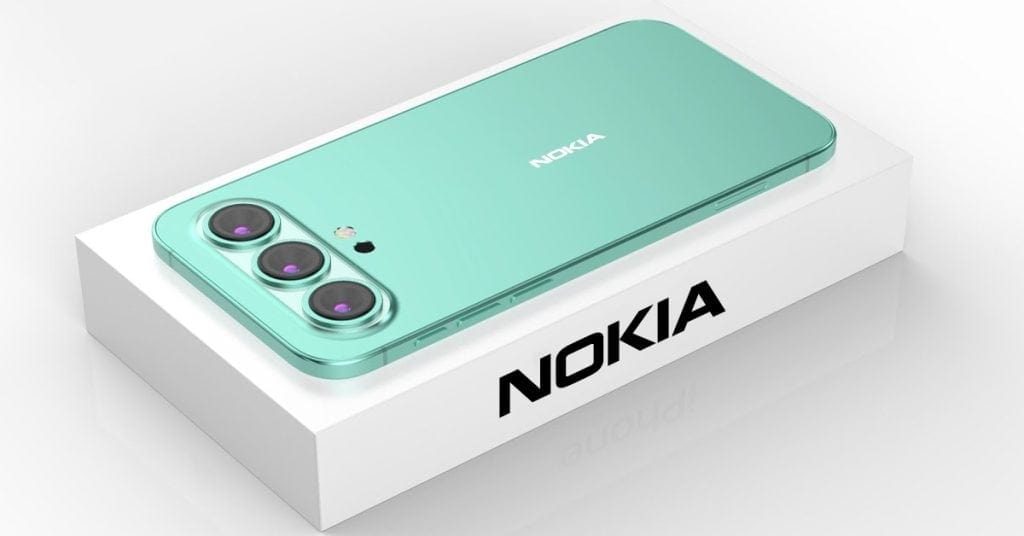
Nokia Beam vs. Infinix GT 30 Pro specs
Nokia Beam specs come with a 6.8-inch Super AMOLED display supporting 720 x 1612 pixels for immersive visuals and contrast. In contrast, Infinix GT 30 Pro specs pack a 6.78-inch AMOLED screen with 1080 x 2436 resolution and a 144Hz refresh rate. While Nokia delivers size, Infinix wins the screen race with higher clarity and smoother scrolling performance.
Nokia relies on the Snapdragon 8 Gen 3 chipset for high-end performance and seamless multitasking. Meanwhile, Infinix powers its device with the Dimensity 8200 Ultimate processor for stable everyday performance. Both smartphones run Android 15, offering users enhanced features and better security across the board.
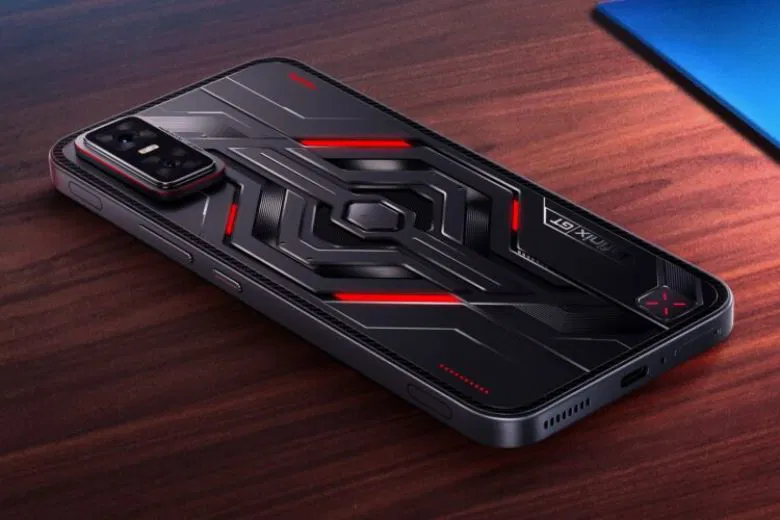
Nokia equips its model with 12GB RAM and up to 512GB internal storage, expandable via microSD. On the other hand, Infinix offers 8GB or 12GB RAM and 256GB storage but lacks expansion options. Moving to optics, Nokia Beam cameras include a 200MP primary lens, 48MP ultra-wide, 8MP macro, and 2MP depth sensor. Furthermore, it features a 48MP front-facing camera for crisp selfies and video calls. Infinix GT 30 Pro cameras consist of a 108MP main lens, 2MP depth sensor, and a 32MP selfie shooter. Clearly, Nokia outshines Infinix in the camera department with larger sensors and more flexibility. For battery, Nokia equips a massive 9700mAh cell ideal for extended usage without frequent recharges. Meanwhile, Infinix houses a 5000mAh battery that supports 45W fast charging for quick power-ups. Thus, Nokia leads in battery size, while Infinix catches up with speed and convenience in charging.
Nokia Beam vs. Infinix GT 30 Pro release date and price
The Nokia Beam release date is expected later this year, following its announcement cycle. Meanwhile, the Infinix GT 30 Pro release date occurred in May 2024. Nokia Beam price may start at $219 ~ Rs. 19,033. Meanwhile, Infinix GT 30 Pro price begins at $199 ~ Rs. 17,300.
Nokia Horizon vs. Realme V60 Pro: 200MP Cameras, 8200mAh Battery!

Let’s catch the new battle between Nokia Horizon vs. Realme V60 Pro with 200MP cameras and an 8200mAh battery. Take a look at the detailed article below to discover the winner now!

Nokia Horizon vs. Realme V60 Pro specs
Besides the Nokia Horizon Lite, the Nokia Horizon is the next member of the high-end series with a gorgeous design and an affordable price tag. At the same time, the Realme V60 Pro is a flagship phone with premium configurations. Now, let’s start the battle! First, the Nokia Horizon specs sport a 6.95-inch Super AMOLED with 4K resolution.
Conversely, the Realme V60 Pro specs flaunt a 6.74-inch with 1240 x 2772 pixels resolution. Hence, the Nokia model takes the lead, offering a larger display with smoother motion and better image quality. Second, regarding the memory, the Nokia phone ships with 12GB/ 16GB of RAM and 256GB/ 512GB of onboard storage. There should also be a microSD card slot that can expand up to another 1TB.

In contrast, the Realme phone comes with 128GB/ 8GB RAM and 256GB/ 8GB RAM (no card slot). Therefore, the Nokia gadget wins again with ample storage capacity. Under the hood, the Nokia machine gets power from the Qualcomm Snapdragon 8+ Gen 1 SoC. Moreover, the Realme device may employ the Qualcomm Snapdragon 7+ Gen 3 chipset. Notably, both handsets work on Android 14. Next, the Nokia Horizon cameras boot a quad 200MP primary lens + 64MP ultrawide snapper + 32MP macro shooter on the back and a single 64MP to capture selfies and make video calls. On the contrary, the Realme V60 Pro cameras feature a dual 50MP primary lens + 8MP ultrawide shooter. Also, there is a 16MP selfie camera on the front. As a result, the Nokia phone wins once again with a superior camera department. Concerning the battery, the Nokia machine packs an 8200mAh battery. Additionally, the Realme device houses a 5500mAh battery cell with 100 wired charging. Thus, the Nokia Horizon is the final winner!
Nokia Horizon vs. Realme V60 Pro release date and price
The Nokia Horizon release date should fall in the upcoming months. Besides, the Realme V60 Pro release date might happen soon. Concerning the cost, the Nokia Horizon price starts at $280 ~ Rs. 23,202. Additionally, the Realme V60 Pro price can range from $294 ~ Rs. 24,515. What do you think about those smartphones? Which phone do you prefer? Are you planning to buy one of them? Share your thoughts with us now!
Nokia Maze vs. POCO X7: 16GB RAM, 200MP Cameras!

Enter the battleground of the Nokia Maze vs. POCO X7, each equipped with 16GB of RAM and 200MP cameras. Stay tuned to discover which one emerges victorious!

Nokia Maze vs. POCO X7 specs
The market sees Nokia Maze making waves with its stunning design and top-tier specifications, while the POCO X7 stands out for its impressive battery longevity. Regarding the display, the Nokia Aeon Pro specs carry 6.9-inch Super AMOLED with a 4K pixels resolution. Besides, the POCO X7 specs flaunt a 6.7-inch AMOLED with a 1220 x 2712 pixels resolution.
Therefore, the Nokia team gets one point due to a larger screen size in the first round. Hardware-wise, the Nokia handset gets power from the Qualcomm Snapdragon 8 Gen 3 chipset. Furthermore, the Xiaomi handset provides the Qualcomm Snapdragon 8s Gen 3 chipset as the processor. As for the memory options, the Nokia machine ships 8GB/ 12GB/ 16GB RAM.

Meanwhile, there are two options: an enormous 128GB/ 256GB/ 512GB ROM (no card slot). Meantime, the Xiaomi handset comes with 128GB/ 8GB RAM, 256GB/ 8GB RAM, and 256GB/ 12GB RAM (expandable to 256GB). Both devices run on the new Android 14 as the operating system. As a result, the Nokia phone won the first round due to its better storage capacity. Optics-wise, the Nokia Maze cameras pack a a 200MP primary lens + 50MP ultrawide shooter + 5MP macro sensor on the back. Furthermore, it has a single 50MP front-facing lens. Additionally, the POCO X7 cameras flaunt dual 50MP + 2MP sensors with LED flash at the back setup. Meanwhile, a single 16MP sensor is on the front for taking selfies. Moreover, the Nokia phone houses a 15500mAh juice box, while the Xiaomi machine warehouse capacity is 6000mAh. So, the Nokia team is a champion of this fight with better specs!
Nokia Maze vs. POCO X7 release date and price
The Nokia Maze release date should fall in the upcoming months. Besides, the POCO X7 release date happened in April 2024. Concerning the cost, the Nokia Maze price drops around $328 ~ Rs. 27,404. Plus, the POCO X7 price can be around $277 ~ Rs. 23,109. Which one do you choose? Drop a comment with your thoughts!
Vivo S21 Pro vs. iPhone 17 Pro: 16GB RAM, 5600mAh Battery!

Today, we’re bringing you to the match between Vivo S21 Pro vs. iPhone 16 Pro with 16GB RAM and a 5600mAh Battery. Scroll down to find the winner!

Vivo S21 Pro vs. iPhone 16 Pro specs
Of the two, Vivo S21 Pro is one of the most awaited smartphones to launch this year. Being the successor of the iPhone 15 Series, the iPhone 16 Pro is the brand’s next flagship. Let’s start their fight! Firstly, Vivo S21 Pro specs offer a 6.7-inch Foldable LTPO AMOLED with a 2268 x 2440 pixels resolution. Meanwhile, iPhone 16 Pro specs flaunt a 6.3-inch LTPO Super Retina XDR OLED with 1206 x 2622 pixels.
With a better display, the Vivo team is ahead. Furthermore, the Vivo handset provides the MediaTek Dimensity 9400 chipset, while the iPhone 16 Pro device accepts power from the Apple A18 Pro chipset. In addition, the Vivo smartphone sports 256GB/ 12GB RAM and 512GB/ 16GB RAM (no card slot).

Otherwise, the iPhone 16 Pro flagship arrives with 256GB/ 12GB RAM, 512GB/ 12GB RAM, and 1TB/ 12GB RAM (no card slot). Notably, the Vivo phone has advanced to have more massive storage. Moreover, both Vivo and iPhone 16 Pro handsets run on Android 14 as the operating system. How about the optics department? Vivo S21 Pro cameras feature a triple 50MP primary lens + 50MP ultrawide shooter + 50MP telephoto on the back and a 50MP front-facing shooter. The iPhone 16 Pro cameras feature a triple 48MP primary shooter + 12MP periscope telephoto + 48MP ultrawide shooter on the back. On the front, there is a 12MP lens for taking selfies and video calling. In terms of the rear camera, the battle is quite tight. Finally, the Vivo device bears a 5600mAh juice box, while this figure in the iPhone 16 Pro handset is a smaller 3720mAh battery cell.
Vivo S21 Pro vs. iPhone 16 Pro release date and price
The Vivo S21 Pro release date falls in the upcoming days. Regarding the cost, the Vivo S21 Pro price begins at $267 ~ Rs. 22,398. Meanwhile, the iPhone 16 Pro release date happened in September 2024, and the iPhone 16 Pro price starts at $1,323 ~ Rs. 111,097. Which phone would you select?
Samsung Galaxy S26 Max Specs: 200MP Cameras, 12000mAh Battery!

Get ready for the Samsung Galaxy S26 Max, arriving with 200MP cameras and a massive 12,000mAh battery. Check out the Samsung Galaxy S26 Max specs now!

Samsung Galaxy S26 Max specs
Samsung never slows down when it comes to innovation, and the Galaxy S26 Max proves just that. Building on the success of the Galaxy Dragon and other flagship models, the company is preparing to launch this new powerhouse. With upgraded specs and an eye-catching design, the Galaxy S26 Max is ready to dominate the premium smartphone market.
Let’s begin with the display. The Samsung Galaxy S26 Max specs come with a stunning 6.9-inch Dynamic AMOLED 2X screen that supports 4K resolution and a 144Hz refresh rate. Alongside HDR10+ and Gorilla Glass Victus 2 protection, the screen features ensure vibrant colors, deep contrast, and excellent durability. Whether you’re gaming or streaming, the visual experience is nothing short of premium.

Moving inside, Samsung equips the Galaxy S26 Max with the Qualcomm Snapdragon 8 Gen 3 processor. It operates smoothly with Android 15 and comes in three variants: 12GB/16GB RAM with 256GB/512GB/1TB of internal storage. Unfortunately, there’s no microSD card slot, but the high native storage makes up for it. Let’s dive into the photography section. The Samsung Galaxy S26 Max cameras pack a quad-lens system, including a powerful 200MP main sensor, a 50MP ultra-wide lens, a 12MP telephoto shooter, and a 10MP macro snapper. Meanwhile, the front-facing camera sports a 60MP lens that captures detailed selfies and supports 4K video recording with advanced AI enhancements. To keep the phone running all day, Samsung fits a robust 12,000mAh battery under the hood. It supports 150W fast charging and 60W wireless charging, ensuring you spend less time plugged in. Finally, it includes 5G, Wi-Fi 6E, Bluetooth 5.3, USB Type-C, GPS, and an under-display fingerprint scanner.
Samsung Galaxy S26 Max release date and price
The Samsung Galaxy S26 Max release date is expected in early 2025. Regarding the cost, the Samsung Galaxy S26 Max price will start at $999 ~ Rs. 83,499. Are you excited about this next-level smartphone? Share your thoughts with us below!
Realme Neo 7 vs. Redmi Note 14: 16GB RAM, 200MP Cameras!

Are you waiting for the next fight between the Realme Neo 7 vs. Redmi Note 14 with 16GB RAM and 200MP cameras? Scroll down to find the winner today!

Realme Neo 7 vs. Redmi Note 14 specs
The Realme Neo 7 has an incredible memory system and a gorgeous design. Meanwhile, Redmi Note 14 arrives with a fantastic camera system. Let’s talk about the display! The Realme Neo 7 specs offer a 6.67-inch AMOLED with a high 1220 x 2712 pixels resolution. Besides, Redmi Note 14 specs flaunt a 6.67-inch OLED with a 1220 x 2712 pixels resolution. So, the Redmi Note 14 handset comes first in this round with a higher resolution size.
Besides, the Realme Neo 7 handset provides the Mediatek Dimensity 8300 Ultra chipset, while the Redmi Note 14 device uses the Qualcomm Snapdragon 7s Gen 2 chipset. So, with better hardware, the Realme Neo 7 flagship wins again. Under the hood, the Realme Neo 7 flagship arrives with 256GB/ 8GB RAM, 256GB/ 12GB RAM, and 512GB/ 12GB RAM (no card slot). In contrast, the Redmi Note 14 handset arrives with different storage options.

It consists of 128GB/ 8GB RAM, 256GB/ 8GB RAM, 256GB/ 12GB RAM, 512GB/ 12GB RAM, and 512GB/ 16GB RAM (no card slot). Due to the more extensive storage, the Redmi Note 14 team wins. On the other hand, both devices boot Android 14 as the operating system. Imaging-wise, the Realme Neo 7 cameras comprise 64MP + 8MP + 2MP lenses on the back with an LED flash. For taking pictures, this handset houses a single 16MP front-facing lens. Otherwise, the Redmi Note 14 cameras pack a triple 200MP + 8MP + 2MP rear lens. Plus, there is a single 16MP snapper for capturing selfies. The Realme Neo 7 phone carries a 5000mAh battery cell, while the other houses a larger 5100mAh juice box. As a result, the Redmi Note 14 handset gets two points with larger capacity and higher camera resolutions. It becomes our final champion this time!
Realme Neo 7 vs. Redmi Note 14 release date and price
The Realme Neo 7 release date happened in January 2024. Also, the Redmi Note 14 release date occurred in September 2024. As for the cost, the Realme Neo 7 price falls around $348 ~ Rs. 28,857. Besides, the Redmi Note 14 price starts at $189 ~ Rs. 15,725. Let’s write a comment below to share your choice!
Best Xiaomi Phones July 2025: 200MP Cameras, 5140mAh Battery!

The best Xiaomi Phones in July 2025 is here with 200MP Cameras and a 5410 battery, attracting a great amount of user. Let’s discover detail below!

1. Xiaomi Redmi Note 14 5G
The Redmi Note 14 5G specs include a 6.67″ OLED display with 120 Hz refresh and a sharp 1.5K resolution, built on an eye-care panel. It runs on a MediaTek Dimensity 7300-Ultra chipset paired with 8 GB RAM and 128/256 GB UFS 2.2 storage. The camera system features a 108 MP primary sensor and 8 MP ultrawide lens, with a 20 MP front camera.
A 5,110 mAh battery supports 45 W wired charging. It also delivers IP64 splash resistance, Gorilla Glass Victus 2 protection, and stereo speakers. The Redmi Note 14 5G price starts at approximately $329 ~ Rs. 25,600 .

2. Xiaomi Redmi Note 14 Pro+ 5G
The Redmi Note 14 Pro+ 5G specs include the Snapdragon 7s Gen 3 chipset, paired with 12 GB RAM and 512 GB storage. Its 6.67″ curved AMOLED display offers 1.5K resolution, 120 Hz refresh, and eye-care protection, all under Gorilla Glass Victus 2. The camera system integrates a 200 MP main sensor with OIS for crisp image and 4K video capture. It also includes an 8 MP ultrawide lens and a 20 MP selfie camera. A 5,110 mAh battery supports 120 W HyperCharge, refilling from zero to full in under 30 minutes . IP68 water and dust resistance round out its durability. The Redmi Note 14 Pro+ 5G price is about $499 ~ Rs. 38,800.

3. Xiaomi Redmi 13 5G
The Redmi 13 5G specs feature a 6.5″ Full HD+ IPS display with a 90 Hz refresh rate. It uses the Snapdragon 4 Gen 2 chipset, with 6 GB RAM and 128 GB storage. A 5,000 mAh battery supports 18 W wired charging. The camera system includes a 50 MP main sensor and a 2 MP depth sensor, plus an 8 MP selfie camera. It also offers stereo speakers, rear-mounted fingerprint, and Android 14. The Redmi 13 5G price starts around $199 ~ Rs. 15,500.
4. Xiaomi 14 Civi
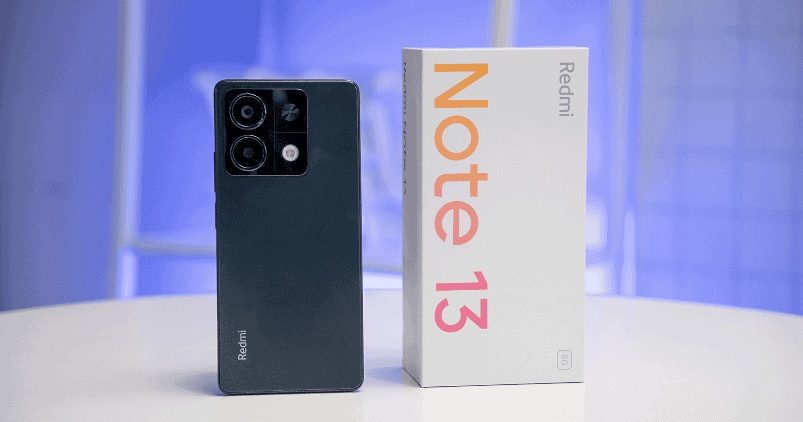
The Xiaomi 14 Civi specs include a 6.55″ curved AMOLED display with FHD+ resolution, 120 Hz refresh rate, and Gorilla Glass Victus 2 protection . It runs on Snapdragon 8s Gen 3 with 8–12 GB RAM and 256–512 GB UFS 4.0 storage . The camera system features triple rear lenses: 50 MP main, 12 MP ultrawide, 50 MP telephoto, plus dual 32 MP selfie cameras—a rare, premium setup . A 4,700 mAh battery supports 67 W charging, while Snapdragon 8s Gen 3 ensures smooth performance. Features include stereo speakers, NFC, under-display fingerprint, and Android 14. The Xiaomi 14 Civi price sits at $529 ~ Rs. 40,400.

5. Xiaomi 15 Ultra
The Xiaomi 15 Ultra specs deliver a 6.73″ WQHD+ LTPO AMOLED display with 120 Hz refresh rate, Dolby Vision, HDR10+, and Gorilla Shield Glass 2.0 protection. It runs on Snapdragon 8 Gen 4 with 16 GB RAM and up to 1 TB UFS 4.0 storage. The camera system integrates a Leica-engineered quad-lens setup: a 50 MP 1″ main sensor, a 50 MP ultrawide, a 50 MP telephoto (3× OIS), and a 50 MP periscope (5× OIS), plus a 32 MP front-facing camera. A 5,410 mAh battery supports 90 W wired and 50 W wireless charging. Extras include IP68 certification, stereo speakers, NFC, and HyperOS on Android 15. The Xiaomi 15 Ultra price starts at $1,099 ~ Rs. 85,600.

Best Xiaomi Phones July 2025
Xiaomi’s July 2025 lineup balances midrange value and premium performance. If you want top-tier photography, the Xiaomi 15 Ultra offers an unmatched Leica experience. For those seeking the best overall value, the Redmi Note 14 Pro+ 5G delivers flagship-level camera performance and ultra-fast charging at a midrange price.
Nokia N73 2025 Specs: 18GB RAM, 200MP Cameras!

HMD Global is gearing up to launch its next flagship, packed with cutting-edge features like 18GB RAM and a 200MP camera. Explore the Nokia N73 2025 specs below!

Nokia N73 2025 specs
Following the buzz around the Nokia Arrow and Nokia Envy, HMD Global is stepping up its game once more with a refreshed version of a classic – the Nokia N73 2025. With upgraded hardware, a powerful design, and advanced software, this upcoming beast promises to shake up the premium smartphone segment again. Let’s dive into the impressive features of the Nokia N73 2025!
To begin with, the Nokia N73 2025 features a stunning 6.9-inch Super AMOLED display with 4K resolution, delivering vibrant colors and deep contrasts. Additionally, Corning Gorilla Glass Victus ensures durability and protection. Under the hood, the device runs on the powerful Qualcomm Snapdragon 8 Gen 3 processor, offering lightning-fast performance.

Users can choose between 16GB and 18GB of RAM. Additionally, the storage options range from 256GB to a massive 1TB, expandable via microSD up to another 1TB. Moving to the camera system, the Nokia N73 2025 boasts a quad-sensor setup on the rear. It includes a 200MP main sensor, a 64MP ultra-wide lens, a 12MP telephoto lens, and a 5MP depth sensor for perfect detail in every shot. On the front, a high-resolution 50MP selfie camera ensures clear video calls and social media-ready selfies. Furthermore, this handset runs smoothly on Android 14, with a clean and optimized user interface. For power, the Nokia N73 2025 equips a huge 8000mAh battery supported by 125W fast charging, ensuring all-day use with minimal downtime. Connectivity features include 5G support, Wi-Fi 6E, Bluetooth 5.3, and an in-display fingerprint sensor for secure unlocking.
Nokia N73 2025 release date and price
Reports suggest the Nokia N73 2025 could debut as early as the upcoming quarter. As for pricing, it is expected to start around $275 ~ Rs. 22,250. Are you looking forward to experiencing this modern legend? Let us know your thoughts in the comments below and stay tuned for more exciting updates!
Vivo Y19s vs. Sony Xperia 10 VI: 8GB RAM, 5500mAh Battery!

Dive into the monumental face-off between the Vivo Y19s vs. Sony Xperia 10 VI, each equipped with 8GB RAM and a 5500mAh battery. Discover which smartphone emerges as the ultimate victor!
Vivo Y19s vs. Sony Xperia 10 VI specs
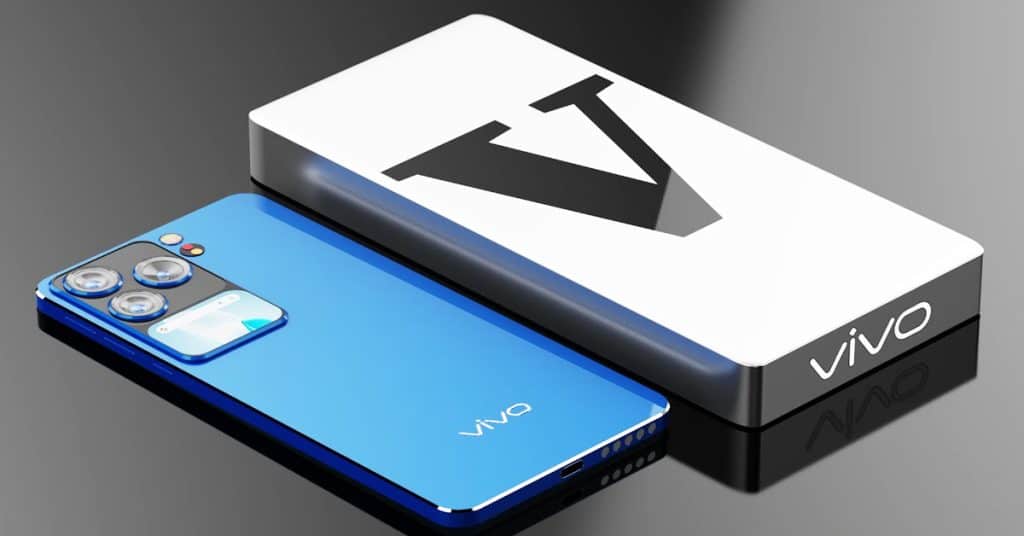
The Vivo Y19s boasts distinctive functionalities alongside an appealing aesthetic. Additionally, the Sony Xperia 10 VI debuts with robust hardware and an enduring battery life, making its mark in the market. First of all, for the display, Vivo Y19s specs flaunt a 6.74-inch OLED with 1080 x 2400 pixels and 120Hz refresh rate.
Besides, Sony Xperia 10 VI specs flaunt a 6.1-inch OLED with a 1080 x 2520 pixels resolution. Thus, the Vivo device gets the first point with the bigger screen size. Under the hood, the Vivo handset provides the Qualcomm Snapdragon 7+ Gen 3 chipset. Meanwhile, the Sony handset arrives with the Qualcomm Snapdragon 6 Gen 1 chipset.
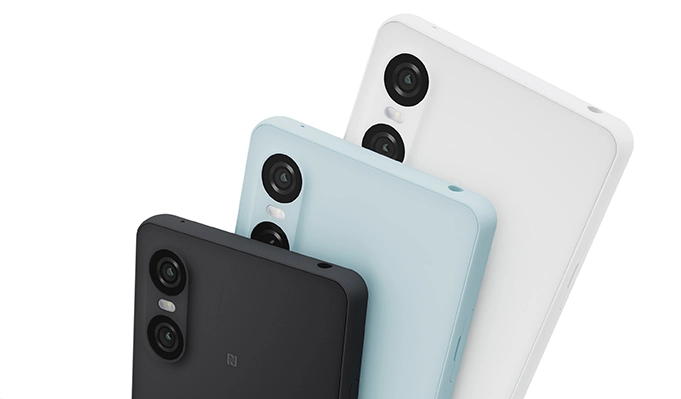
As for the optics department, the Vivo Y19s cameras feature a dual 50MP primary lens + 8MP ultrawide shooter at the rear. At the front, it carries a single 16MP front-facing lens. Otherwise, the Sony Xperia 10 VI cameras offer a dual 48MP primary lens + 8MP ultrawide sensor setup on the back. For selfies, there is a single 8MP front lens. Battery-wise, the Vivo device draws a massive 5500mAh juice box, while the Sony devices house a smaller 5000mAh juice box. Regarding the storage, the Vivo device ships with 8GB RAM and 128GB/ 256GB of internal storage (expandable to 256GB). Additionally, the Sony device sports 8GB of RAM and 128GB of in-built storage (expandable up to 256GB via a microSD card slot). On the other hand, both smartphones run on Android 14 as the operating system. So, the OnePlus team scored two points, thanks to the bigger RAM and better capacity. Therefore, the OnePlus brand defeated Sony’s company with excellent performance.
Vivo Y19s vs. Sony Xperia 10 VI release date and price
The Vivo Y19s release date happened in August 2024. Also, the Sony Xperia 10 VI release date might happen soon. As for the cost, the Vivo Y19s price falls around $745 ~ Rs. 62,487. Besides, the Sony Xperia 10 VI price starts at $433 ~ Rs. 36,075. Please drop us a comment below to share your choice!
Oppo Find X8 Pro vs. Redmi K80 Pro: 50MP Cameras, 5500mAh Battery!

It’s a battle of innovation and endurance: OPPO Find X8 Pro vs. Redmi K80 Pro, with 50MP cameras and a 5500mAh battery. Find out which device is the true champion!
OPPO Find X8 Pro vs. Redmi K80 Pro specs
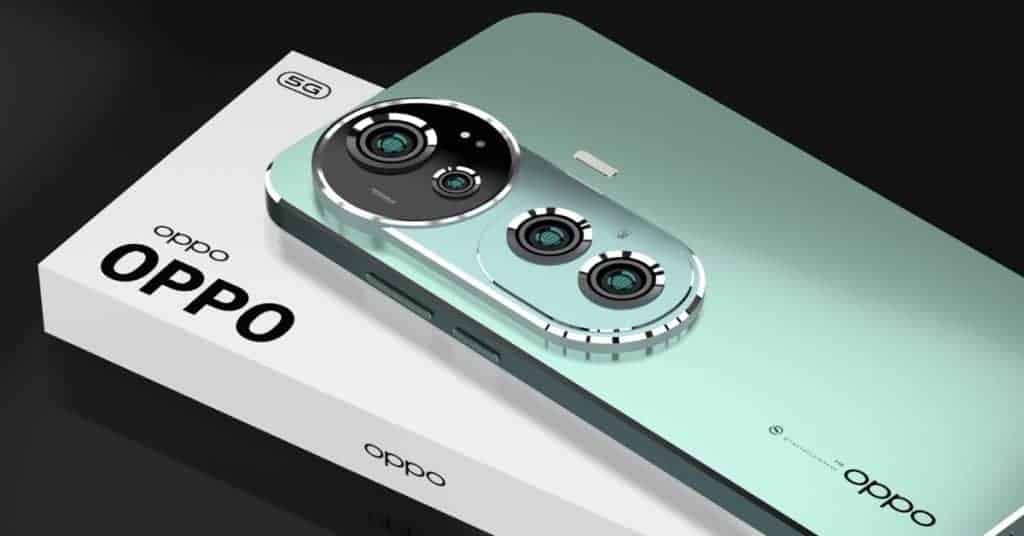
OPPO Find X8 Pro attracts mobile users with premium specs. Meanwhile, the Redmi K80 Pro has gorgeous color variants and a long-life battery. The OPPO Find X8 Pro specs flaunt a 6.78-inch Super AMOLED with 1400 x 2168 pixels. Besides, Redmi K80 Pro specs offer a 6.78-inch AMOLED with a 1080 x 2404 pixels resolution and 120Hz refresh rate.
Hence, the OPPO device takes advantage of the higher screen size. Let’s move to the processor! The OPPO device comes with the MediaTek Helio G99 chipset. Meanwhile, the Vivo handset takes power from the MediaTek Dimensity 9300+ chipset. Additionally, both OPPO and Vivo machines run on Android 14 as the operating system. So, with the better RAM, Samsung teams score one point.

Photography-wise, the OPPO Find X8 Pro camera carries 50MP primary shooter + 50MP ultra-wide snapper + 8MP macro sensor + 8MP depth sensor on the rear. There is a single 64MP front-facing sensor for selfies on the front. On the other hand, the Redmi K80 Pro cameras pack a triple setup of 50MP primary lens + 8MP ultrawide shooter + 50MP macro sensor on the back. This device carries a single 50MP sensor for selfies and making video calls. Thus, the OPPO beast wins this round with higher camera resolutions. Then, the OPPO beast sports 10GB/ 12GB/ 16GB of RAM, along with 256GB/ 512GB of internal storage. Also, the OPPO machine has massive 1TB external storage support via the MicroSD card. Furthermore, the Vivo handset arrives with 12GB/ 16GB of RAM and 256GB/ 512GB of onboard storage (no card slot). Battery-wise, the OPPO handset houses a 5500mAh energy box. Also, the Vivo device carries a smaller 5160mAh juice box. Hence, the OPPO beast wins this round with a powerful battery.
OPPO Find X8 Pro vs. Redmi K80 Pro release date and price
The OPPO Find X8 Pro release date can fall by the end of this year or early next year. Meanwhile, the Redmi K80 Pro release date is going to occur soon. About the cost, the OPPO Find X8 Pro price begins from $270 ~ Rs. 22,512. Furthermore, the Redmi K80 Pro price is $350 ~ Rs. 29,216. Let us know your thoughts about this race below!